
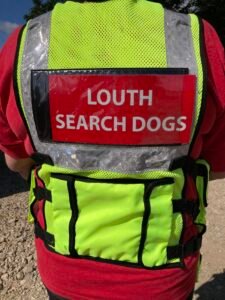
Understanding the Training Process
The training journey of a Louth search dog team is a comprehensive and structured process that typically spans approximately two years. This timeline can vary based on several factors, including the handler’s prior experience and the individual dog’s eagerness to learn and develop their skills. An effective training program is essential for cultivating a search dog that can perform in a variety of scenarios, ensuring that both dog and handler are well-prepared for their roles.
At the outset of this training process, a strong emphasis is placed on basic obedience. This foundational element is crucial as it not only establishes a bond of trust and understanding between the handler and the dog but also sets the stage for more advanced training techniques. Dogs must demonstrate consistent responses to commands, which is instrumental in high-pressure situations where quick decision-making and reliable behaviour are vital. Basic obedience skills, such as sit, stay, and come, form the bedrock of all further training activities.
In addition to obedience training, the physical fitness of handlers is also a critical consideration. A search dog team often faces demanding conditions, requiring both physical agility and stamina. Handlers must maintain a level of fitness that allows them to navigate various terrains and endure the physical challenges that accompany search and rescue operations. Thus, a balance between the dog’s training and the handler’s fitness is paramount for successful outcomes.
As training progresses, the complexity and intensity of exercises increase, with a focus on specific search skills tailored to the dog’s innate abilities and the unique requirements of various search scenarios. Throughout this journey, consistent evaluation and adaptation of training methods are essential to ensure that both the dog and handler achieve their fullest potential as a cohesive team.
Essential Skills and Attributes
The efficacy of search dog teams is heavily reliant on a unique combination of skills and attributes possessed by both the dogs and their handlers. Understanding these elements is fundamental to successful training and operational effectiveness in the field.
Moreover, the dynamic between canine companions within a search team is vital. Dogs must be able to coexist amicably, displaying not only social skills but also a level of tolerance when working alongside each other. This harmonious interaction minimises stress and distractions, thereby optimising teamwork and efficiency during actual search scenarios.
Another critical skill revolves around motivation. Search dogs must be highly driven by their toy reward,, which is essential during the training process. This serves as a powerful incentive that enhance the dog’s willingness to learn and excel in their tasks. This motivation directly correlates with their ability to perform searches effectively, as highly motivated dogs are more likely to exhibit enthusiasm and persistence.
Ultimately, the blend of sociability, the ability to coexist with other dogs, and a robust motivation for rewards forms the cornerstone of an effective and efficient search dog team. Both handlers and dogs must continuously develop these attributes to improve their skill set and ensure success during search missions.
Diverse Training Environments
The training regimen of the Louth Search Dog Teams encompasses a wide array of environments, carefully curated to prepare dogs for the various challenges they may encounter during search and rescue operations. Exposure to different terrains is paramount in honing the skills necessary for effective search efforts. In Lincolnshire, the training settings span from urban structures to natural landscapes, providing the dogs with real-world versatility.
Training begins in controlled environments, such as buildings where dogs learn to navigate obstacles and respond to commands within confined spaces. These urban simulations are invaluable as they replicate scenarios where missing persons may be hidden within abandoned sites or cluttered locales. The structured nature of this training fosters an understanding of scent distraction amid architectural hindrances.
Training in woodland and open field settings is of the utmost importance.. These natural environments allow dogs to utilise their keen sense of smell in diverse terrains, facilitating the capture of scents carried by the wind or concealed by foliage. Woodland training and open fields provide a space for them to practice wide-ranging searches over expansive areas.
Overall, by engaging dogs in such diverse training environments, the Louth Search Dog Teams equip them with the essential skills and adaptability required for successful searches across varying conditions. This multifaceted approach ensures that the teams are always ready to respond effectively when real-life situations arise.